
ifQuick answer:
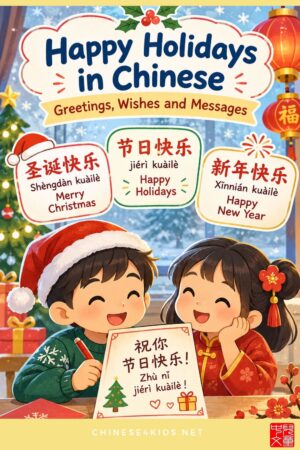
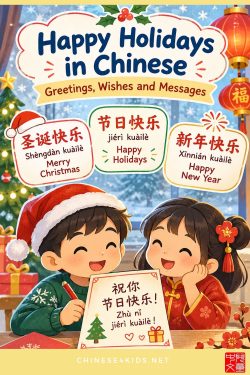
To say happy holidays in Chinese, use 节日快乐 (jiérì kuàilè). For a specific holiday, name it: 圣诞快乐 (Shèngdàn kuàilè) for Christmas or 新年快乐 (Xīnnián kuàilè) for New Year.
To say happy holidays in Chinese, use 节日快乐 (jiérì kuàilè). For a specific holiday, name it: 圣诞快乐 (Shèngdàn kuàilè) for Christmas or 新年快乐 (Xīnnián kuàilè) for New Year.
In English, “Happy Holidays” is one handy greeting for the whole festive season. Chinese has no single phrase that does exactly the same job, so the best choice depends on the occasion. The good news is that the options are short, and they are easy to learn.
Whether you’re writing a card, texting a friend, or helping your child practice Mandarin, this guide will help you pick the right words. Don’t overthink it. A short, thoughtful greeting is often all you need.
Contents
hide
How Do You Say Happy Holidays in Chinese?
Start with the table below. It shows the greetings people use most, along with when each one fits.
| Chinese | Pinyin | Meaning | Use it for |
|---|---|---|---|
| 节日快乐 | jiérì kuàilè | Happy holiday | A general greeting for festivals and holidays |
| 节日愉快 | jiérì yúkuài | Happy holiday | A general greeting; can sound slightly more formal |
| 圣诞快乐 | Shèngdàn kuàilè | Merry Christmas | Christmas |
| 新年快乐 | Xīnnián kuàilè | Happy New Year | January 1 or Lunar New Year |
| 元旦快乐 | Yuándàn kuàilè | Happy New Year’s Day | January 1 |
| 春节快乐 | Chūnjié kuàilè | Happy Spring Festival | Lunar New Year |
| 假期愉快 | Jiàqī yúkuài | Enjoy your break | School and work vacations |
You may also see 圣诞节快乐 (Shèngdànjié kuàilè). It means the same as 圣诞快乐, so both are natural.
Which Greeting Should You Use?
Choose by occasion:
- Christmas: 圣诞快乐
- January 1: 新年快乐 or 元旦快乐 (元旦 refers specifically to New Year’s Day)
- Lunar New Year: 新年快乐 or 春节快乐
- Any other festival, or a general seasonal wish: 节日快乐
That said, 新年快乐 is the most flexible of these, because it works for both New Year celebrations.
How Do You Write Your Own Greeting?
Most Chinese greetings follow one simple pattern:
祝 (zhù, “wish”) + 你 / 您 + the wish
- 祝你圣诞快乐! Zhù nǐ Shèngdàn kuàilè! — Wishing you a Merry Christmas!
- 祝您节日愉快! Zhù nín jiérì yúkuài! — Wishing you a happy holiday!
Use 你 (nǐ) with friends and classmates. Use 您 (nín) for teachers and anyone you want to address respectfully. Within families, though, usage varies, and many families use 你 with grandparents.
Next, you can add a second wish after a comma:
| Wish | Pinyin | Meaning |
|---|---|---|
| 身体健康 | shēntǐ jiànkāng | good health |
| 万事如意 | wànshì rúyì | may everything go well |
| 天天开心 | tiāntiān kāixīn | happy every day |
| 学习进步 | xuéxí jìnbù | progress in your studies |
For example, 祝你新年快乐,万事如意! (Zhù nǐ xīnnián kuàilè, wànshì rúyì!) means “Wishing you a Happy New Year and all the best!”
What Should You Write in a Holiday Card?
Once you know the basic pattern, it’s easy to adapt it for different people. Here are five messages to copy or change.
For a friend or classmate
圣诞快乐!祝你假期玩得开心! Shèngdàn kuàilè! Zhù nǐ jiàqī wán de kāixīn! Merry Christmas! Hope you have a fun break!
For grandparents
(use 外公外婆 for maternal grandparents) 祝爷爷奶奶圣诞快乐,身体健康! Zhù yéye nǎinai Shèngdàn kuàilè, shēntǐ jiànkāng! Wishing Grandpa and Grandma a Merry Christmas and good health!
For a teacher
老师,节日快乐!谢谢您的教导。 Lǎoshī, jiérì kuàilè! Xièxie nín de jiàodǎo. Happy holidays, teacher! Thank you for your guidance.
For a colleague or client
祝您节日愉快,新年万事如意! Zhù nín jiérì yúkuài, xīnnián wànshì rúyì! Wishing you a happy holiday and all the best in the New Year!
For one card covering Christmas and New Year
祝你圣诞快乐,新年快乐! Zhù nǐ Shèngdàn kuàilè, xīnnián kuàilè! Wishing you a Merry Christmas and a Happy New Year!
Would you like more? Our guide to 12 Merry Christmas Wishes and Messages in Chinese has longer Christmas messages. For traditional Spring Festival blessings, see Lucky Phrases for Chinese New Year.
Should You Write Simplified or Traditional Characters?
One last detail is the written form your recipient uses. The examples above use simplified characters, which are standard in mainland China and Singapore. Taiwan uses traditional characters: 聖誕快樂, 節日快樂, 新年快樂.
In Cantonese-speaking communities, greetings are often written in traditional characters, though local preferences vary. Cantonese is also pronounced differently, so pinyin only helps with Mandarin. If you’re unsure, simply ask the recipient.
A Simple Holiday Card Activity for Kids
If you’re teaching these phrases to children, turn them into a real writing task. Here is how:
- Choose someone to write to.
- Pick a suitable greeting, such as 节日快乐, 圣诞快乐, or 新年快乐, and add one personal wish from the table above.
- Write the Chinese characters on the card, then add pinyin underneath if needed.
- Give or send the card to the person you chose.
A single real card for a real person teaches more than a page of vocabulary drills, and children remember it.
Keep Learning Chinese for the Holidays
- 12 Merry Christmas Wishes and Messages in Chinese
- Lucky Phrases for Chinese New Year
- Happy Birthday in Chinese
- Special Events Printables
Frequently Asked Questions
How do you say “Happy Holidays” in Chinese?
Say 节日快乐 (jiérì kuàilè). For a specific holiday, use 圣诞快乐 for Christmas or 新年快乐 for New Year.
What is the difference between 节日快乐 and 节日愉快?
Both are general holiday greetings. 愉快 can sound slightly more formal in some contexts, but that is a tendency, not a rule. Either works in a card.
How do you say “Season’s Greetings” in Chinese?
There is no fixed equivalent. 节日快乐 or 节日愉快 works well, or you can name both holidays: 祝你圣诞快乐,新年快乐!
Is 新年快乐 only for Chinese New Year?
No. People use it for both January 1 and Lunar New Year. For Lunar New Year, 春节快乐 (Chūnjié kuàilè) or 过年好 (guònián hǎo) is more specific.
How do you sign off a card in Chinese?
Write 祝好 (zhù hǎo, “best wishes”), then your name. On a child’s card, a name alone is perfect.
Do I need Chinese characters, or is pinyin enough?
Characters are the standard written form. Add pinyin as a pronunciation aid for beginners and children.
If you find this article useful, share it!