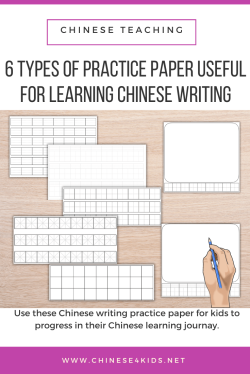
Practice paper appeared on your back-to-school supply list. But which type? And why does it matter?
Here’s the truth: one type of paper doesn’t fit all stages of learning. Beginners need structure. Intermediate learners need less support. Advanced learners need none.
The right paper at the right stage accelerates progress. The wrong paper creates frustration.
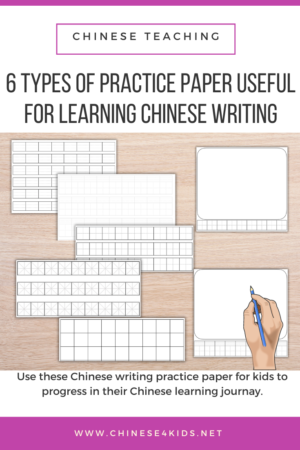
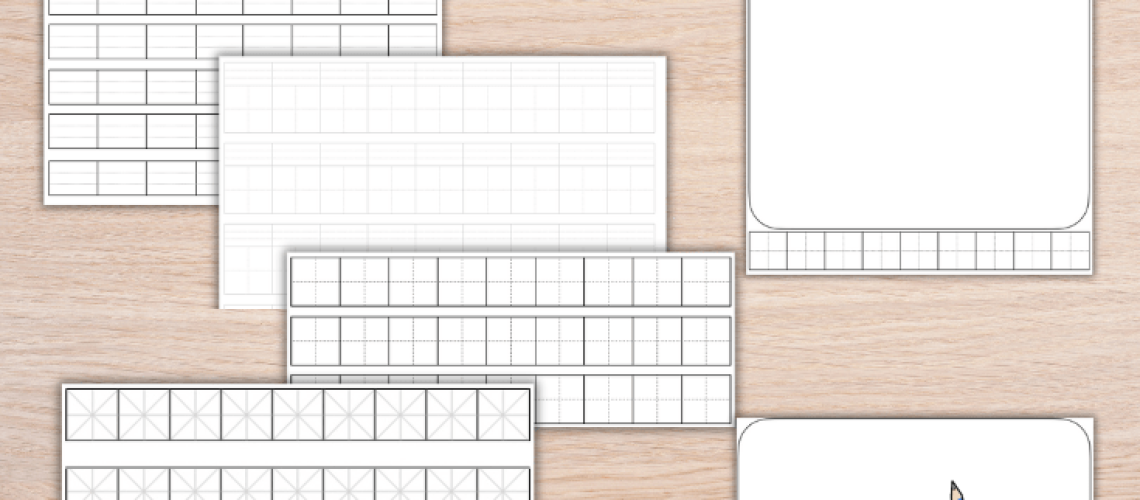
This guide covers six paper types. Each one supports a specific learning stage. Each one builds on the last. Together, they form a complete writing progression from pinyin to creative expression.
Contents
hide
1. Pinyin Practice Paper
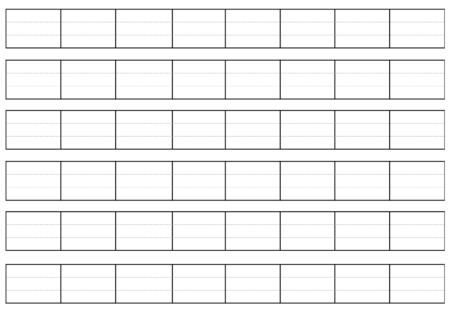
Why it matters: Pinyin is the foundation. It’s how learners connect sounds to characters. Just like learning the alphabet comes first, pinyin mastery unlocks everything that follows.
Best for: Preschool through early elementary learners discovering Chinese sounds for the first time.
How to use it:
- Start with single syllables. One syllable per line.
- Practice tone marks separately. Tone marks change meaning.
- Use daily. Five minutes is enough. Consistency matters more than duration.
- Use the same pen every time. Your child will develop muscle memory.
- Practice tones 1, 2, 3, 4 in order. Master tones before speeding up.
Product recommendation:
Pinyin Practice Notebook — Pre-printed lines guide stroke placement and tone mark positioning. Look for notebooks with clear spacing between characters.
2. Chinese Character Writing Practice Paper
Character writing is non-negotiable. Beautiful characters build confidence. Proper structure prevents confusion later.
Two paper types serve this purpose: Tianzi Ge and Mizi Ge. Both use grids. Both keep characters centered and neat.
2.1. Tianzi Ge paper
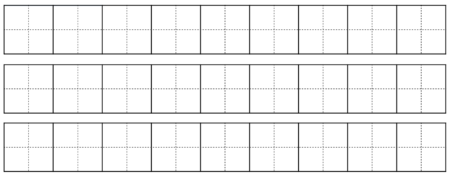
The grid: Think of a large square divided into four quadrants. The center point shows where the character belongs.
Why it works: Beginners struggle with proportion and placement. This grid solves both problems at once. The center dot acts like a visual anchor.
Best for: Ages 4-8, or learners in their first year of character writing.
How to use it:
- Start with simple characters. Pick three characters per session.
- Write each character five times on the same grid. Repetition builds automaticity.
- Watch the center dot. Every character should balance around it.
- Use light pencil first if your child hesitates. Pen comes after confidence builds.
- Check: Are strokes in the correct order? Does the character fit inside the square?
Product recommendation:
Chinese Tianzi Ge Practice Book — Quality paper prevents ink bleed-through. Thick pages feel professional and motivate learners.
2.2. Mizi Ge paper
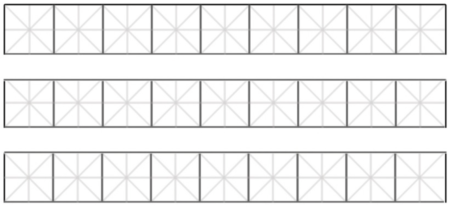
The grid: Smaller squares create a finer grid. Four corner dots guide stroke placement.
Why it works: For learners ready for smaller, more precise work. The grid constrains size but allows more characters per page.
Best for: Ages 6+, or learners with six months of writing experience.
How to use it:
- Treat each small square as an individual character box.
- Practice the same character across 6-8 boxes on one line.
- The corner dots help with stroke balance. Use them as visual guides.
- This grid also works for sentence writing. Natural transition to the next level.
Product recommendation:
Chinese Mizi Ge Practice Notebook — Combines finer grids with durable paper. Ideal for intermediate learners.
100 Sheets of Mizige Gridded Paper
3. Pinyin Tianzige Chinese Character Writing Paper
This paper connects sound to written form. Pinyin appears above.

Why it matters: Beginners don’t automatically link pinyin to characters. This paper makes the connection visible and undeniable.
Best for: First-year learners. Learners who know pinyin but struggle to recognize characters.
How to use it:
- Cover the character first. Have your child write the pinyin from memory.
- Then uncover the character. Write it directly below the pinyin.
- This two-step process builds both recognition and recall.
- Use for vocabulary introduction. New words always get pinyin-character pairing first.
- As confidence grows, reduce pinyin support. Progress to character-only paper.
Product recommendation:
Pinyin Tianzige Grid Workbook — Pre-printed pinyin saves time. Quality paper supports marker, pen, and pencil.
4. Draw and Write Chinese Paper
This type of paper is great for kids to start writing simple Chinese with the aid of drawing.
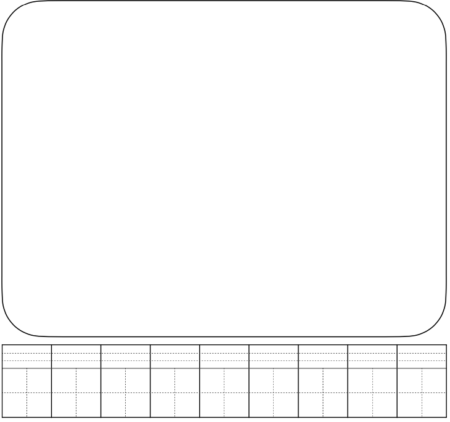
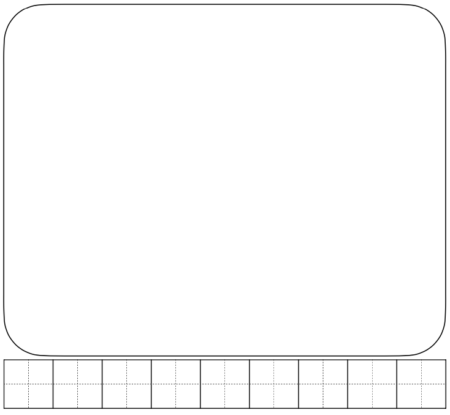
Why it works: Young learners love to draw. Adding writing to the drawing task makes writing feel like play, not work. They draw a picture. They label it. Language becomes purposeful.
Best for: Ages 4-7, especially visual learners. Learners who resist sit-down writing practice.
How to use it:
- Encourage free drawing first. Five minutes. No instructions.
- Then ask: “What did you draw?” Write the answer together.
- Two versions exist: some with pinyin lines, some with Tianzi Ge grid.
- Use pinyin version for very young learners. Grid version for learners ready for character writing.
- Make it a daily habit. Journal-style. “Today I drew _____.”
Product recommendation:
Draw and Write Chinese Workbook — Separate sections for drawing and writing. Encourages the full creative process.
5. Chinese Sentence Writing with Fangge Paper
For students who have a good understanding of Chinese characters, but still need some help to keep the writing neat and beautiful, they can move to Chinese sentence writing using the Fangge grid workbook.
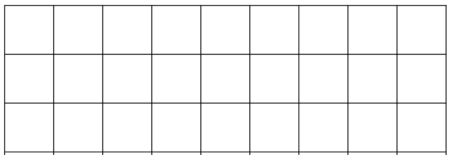
Why it works: Learners who’ve mastered individual characters need to master flow and spacing. Fangge keeps sentences neat without the constraint of Tianzi Ge.
Best for: Ages 7-10, or learners with 18+ months of character writing experience.
How to use it:
- Start with sight words. Words they know, not new vocabulary.
- Write complete sentences. “我喜欢猫。” Not just characters.
- Pay attention to spacing. Each character gets one box. No crowding.
- This is where personality begins to show. Neat, consistent spacing = reader confidence.
- Transition gradually. Use fangge for daily journaling. Save Tianzi Ge for vocabulary review only.
Product recommendation:
Chinese Fangge Grid Workbook — Larger pages, consistent grid. Perfect for sentence-level practice.
6. Creative Chinese Writing
Once a student knows how to write Chinese characters while keeping the structure right, s/he can write on any type of paper, lined, dotted, even blank.
If you reach this level, congratulations! The whole Chinese world is yours to enjoy.
Why it’s powerful: By this stage, the learner no longer needs visual scaffolds. Structure is internalized. Writing is confident.
Best for: Learners with 2+ years of consistent practice. Those ready for genuine expression.
How to use it:
- Encourage free writing. Stories. Journals. Letters.
- Minimal editing at this stage. Let ideas flow.
- Correct major structural issues. Let small errors pass.
- This is where Chinese becomes a tool for thinking, not a subject to be learned.
- Celebrate completion. The fact of writing matters more than perfection.
THE PROGRESSION SYSTEM
Think of these papers as a staircase. Not a checklist.
Your child climbs one step at a time. Some spend longer on step 2. Others race through step 1. That’s normal.
Signs of readiness for the next stage:
- Fewer corrections needed (they’re getting it right)
- Writing happens faster (fluency improving)
- Less frustration (confidence building)
- Asking to write more (intrinsic motivation)
When to add paper types:
- Introduce pinyin paper at the start
- Add Tianzi Ge or Mizi Ge within 1-2 months
- Introduce Pinyin Tianzige for vocabulary only
- Use Draw and Write alongside character writing always (for motivation)
- Transition to Fangge paper when character writing is consistent (not perfect, just consistent)
- Save blank paper for natural creative expression (don’t force it)
GETTING THE MOST FROM PRACTICE PAPER
Consistency beats intensity. Ten minutes daily works better than an hour once a week.
Celebrate small wins. A straighter stroke. A balanced character. Faster writing. These matter.
Keep paper visible. Post completed pages. Let your child see progress accumulating over weeks.
Rotate types. Don’t lock into one paper forever. Rotate to prevent boredom and reinforce learning across levels.
Pair with reading. Children who read Chinese characters develop stronger writing. Reading and writing work together.
Make it social. Share writing with grandparents. Post to family chat. Writing becomes communication, not drill.
FINAL WORD
Practice paper is infrastructure. It’s the silent support system that turns effort into progress.
Pinyin paper builds the foundation. Grid papers scaffold character learning. Draw-and-write papers maintain motivation. Fangge papers bridge to fluency. Blank paper rewards mastery.
Together, they form a complete writing system. One that grows with your child from age 3 to 13 and beyond.
Start wherever your child is now. Use the right paper for their current level. Trust the progression. Progress will follow.
BACK TO SHOPPING
Ready to order? Check the complete Back to School Mandarin Chinese Studies Supply List for all essentials plus Amazon affiliate links.
Related reading:
- Back to School Mandarin Chinese Studies Supply List — Full stationery and classroom supplies
- Best Chinese Textbooks for Children
- Strategies for Teaching Chinese High Frequency Characters
If you like this post, PIN IT